




Periodontal (gum) disease is very common
Everyone’s mouth contains bacteria that cause gum disease. That's why it's the most common chronic bacterial infection in adults. In fact, nearly half of all Americans over age 30 and 70% of those age 65 or older have it. With regular checkups and good daily oral hygiene, it's possible to keep this infection under control. Since early gum disease symptoms are often mild, many people are not aware of their condition until it becomes more serious.
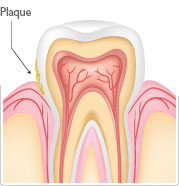
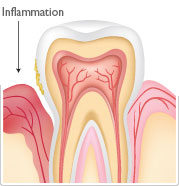
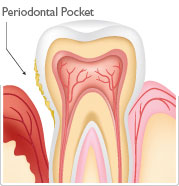
Bacterial plaque is the root of the problem
Over time, a film (plaque) builds up on your teeth. A major cause of tooth decay, plaque is a sticky substance made of bacteria, mucus, and food on the exposed parts of your teeth. Over time, plaque can harden and become trapped at the base of the tooth.
Left untreated, gum disease may progress
The infection can create deep pockets (spaces) or cause your gums to recede or pull back. This exposes the roots of your teeth and allows bacteria to grow above and below the gumline. Over time, the bones, gums, and connective tissue that support the teeth are destroyed. Eventually, teeth can become loose and may need to be removed.